Dental surgical services are a set of specific procedures that are provided to care for your dental health when it may not always be possible to resolve the issue with common dental practices. These services may include the removal of teeth, including wisdom teeth, dental implants, removal of gum tissue, or sometimes bone grafting procedures. Dental surgery can be indicated for infection, damaged teeth, missing teeth, gum or bone concerns and more.
Dental surgery procedures performed as part of oral surgical treatment refer to surgical procedures that treat your teeth, the bones of your face, mouth, or the surrounding oral tissues. This process may compare to your cleaning, filling, and some other typical dental surgical services.
Such solutions are more difficult and probably utilised to help eliminate plaque and also damage to teeth, address that dental some types of gum infections, replace lost teeth, and in some cases to ready your jaw for remediation; local or general anaesthesia might be used when your cosmetic dentist will decide whether an oral surgical services is best in your case.
Your denture is loose! Sometimes a dental condition cannot be treated using usual, non-surgical methods so you may be referred for dental surgery. This may occur if you have defective or infected teeth, impacted wisdom teeth, missing teeth, disease of the gums, inadequate jaw bone support with mouth infection and related difficulties.
Trauma can sometimes lead to a condition where the last step is considered fixable by surgical dental treatment. An oral health problems will determine whether surgery is needed based on the location and size of the problem and the health of the teeth and tissues around it.
Different types of dental treatment are used by reliable Cure Bliss Dental Care for specific purposes. The type of dental surgical services performed will vary based on the problem, the diagnosis, the patient's gums and teeth, and the needs of the person. Tooth extraction, wisdom tooth removal, dental implants, gum surgery, and bone grafting are some of the common procedures.
Tooth that is crowned or cracked or already been restored or is decayed, broken, root or lost ruined. This process may compare to your cleaning, filling, and some other typical dental procedures. Such solutions are more difficult and probably utilised to help eliminate plaque and also damage to teeth, address that dental extraction some types of gum infections, replace lost teeth, and in some cases to ready your jaw for remediation; local or general anaesthesia might be used when your cosmetic dentist will decide whether an oral operation is best in your case.
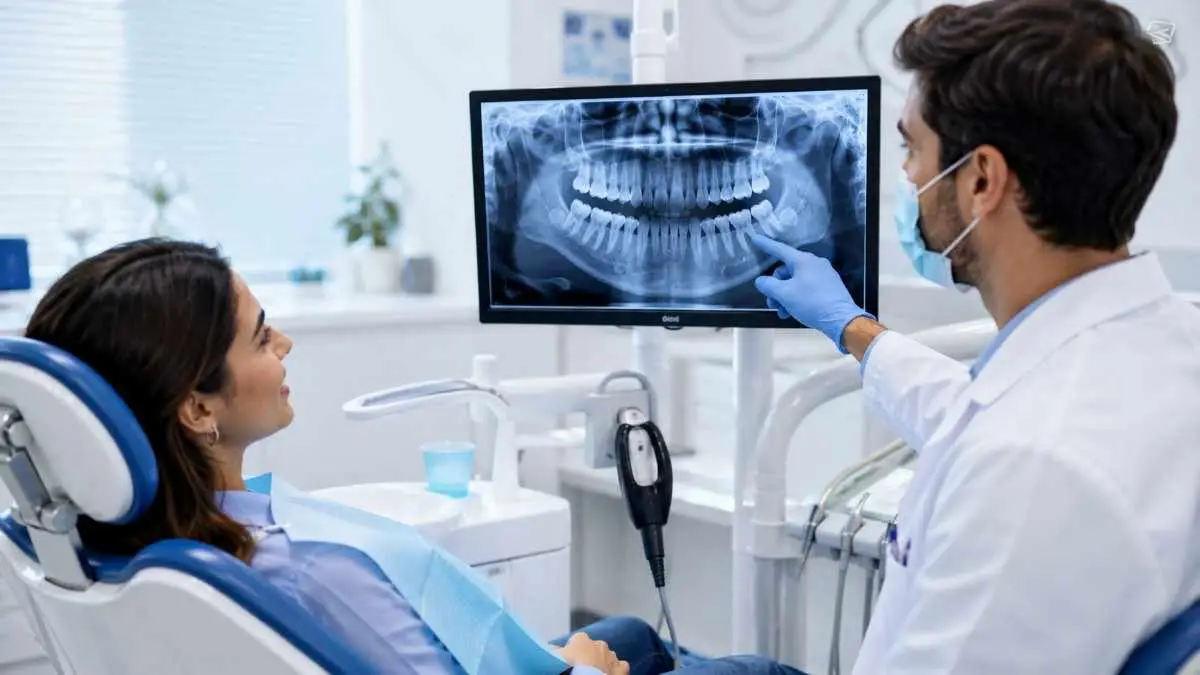
Along with evaluating your teeth and mouth, an oral health professional will also evaluate the impact of the tooth's placement with imagining and take a diagnosis before a decision on if wisdom tooth removal is advised. Wisdom tooth surgery is needed if the tooth is significantly positioned in a way that can cause, in the example of, agonizing swelling, repetitive infections or pressure on surrounding teeth.
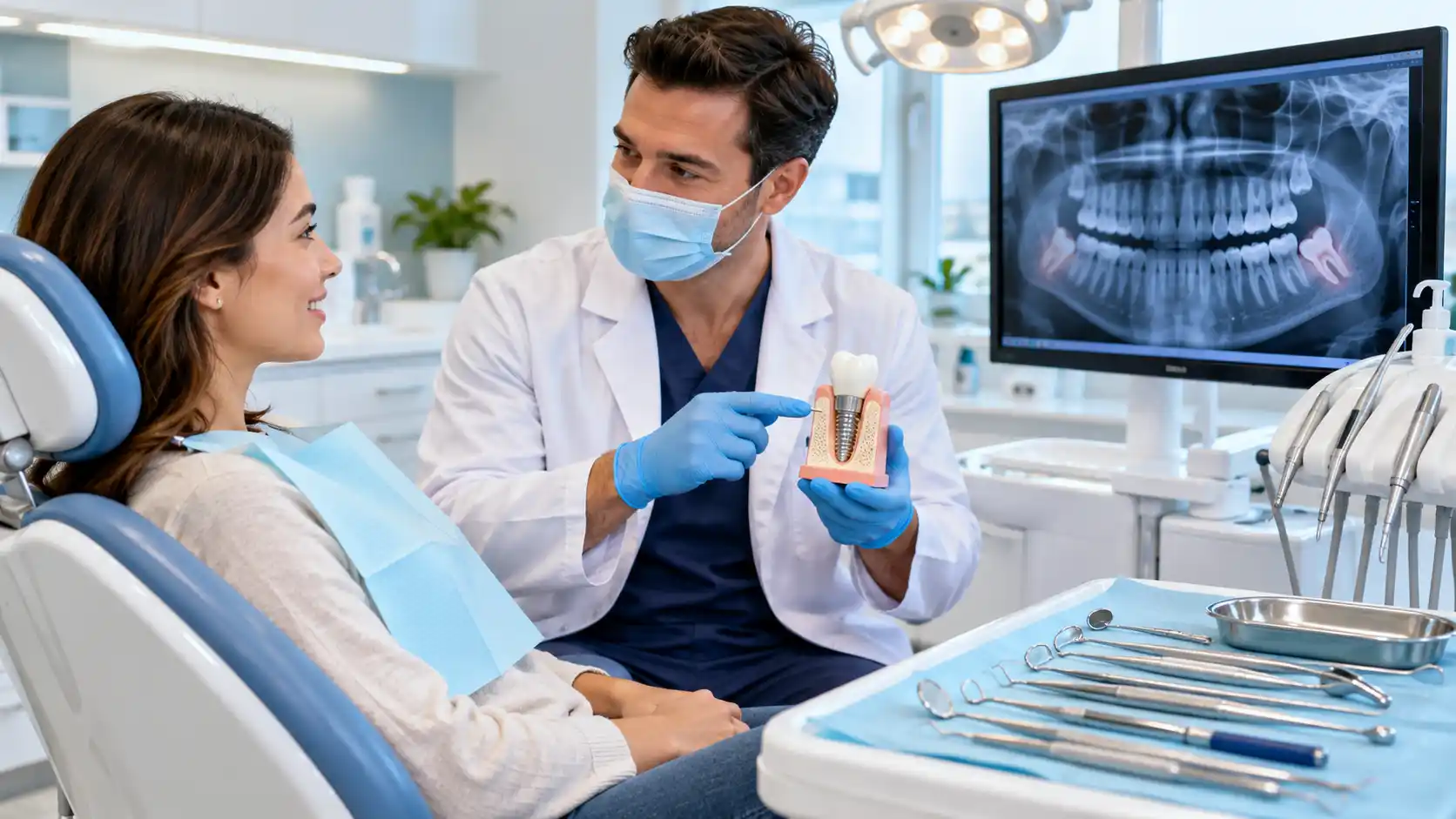
What is dental implants treatment? Dental implants treatment is a search for the missing tooth replacement by inserting an implant in the jawbone followed by screwing in a restoration, like bridge. Dental implant treatment may improve chewing function and may provide a solid base for a missing tooth. Whether implant treatment is suitable for you will depend on several factors including the amount of bone you have and your gum health and hygiene needs.
In gum surgery if some conditions cannot be resolved with normal periodontal therapy, they may require more advanced procedures. Whether it involves elimination of diseased tissue or repositioning of the gum and bone, your periodontist can help attain a healthier state of gum tissues through periodontal surgery. Depending on the type of gum disease treatment present, surgery may also be performed to gain access to the roots of the teeth for a more thorough cleaning.
When there is inadequate bone in the jaw to support certain restorative dental treatments - especially dental implants - a bone grafting can be done to augment the existing bone. A dental bone graft may be performed to restore or augment a site of previous bone loss caused by tooth loss, trauma or periodontal disease. When teeth are missing, a dental procedure may be recommended as part of the bone graft for dental implants planning process to improve the site.
Dental surgical services, if applied correctly, can provide better oral health in some situations, reducing issues that could persist in teeth, tissues and gums. For instance, extracting teeth that are badly damaged or infected can, depending on the specific health situation, be an efficient way to leave the area clean and free of infection, while gum surgery can help with some long-term cases of advanced gum disease.
In certain circumstances, dental implants can replace lost teeth, and it is sometimes possible to graft additional bone for support of dental implants or other structures. Cure Bliss Dental Care makes sure to have proper oral surgery benefits care aid chewing and preserving tissues, when used correctly.
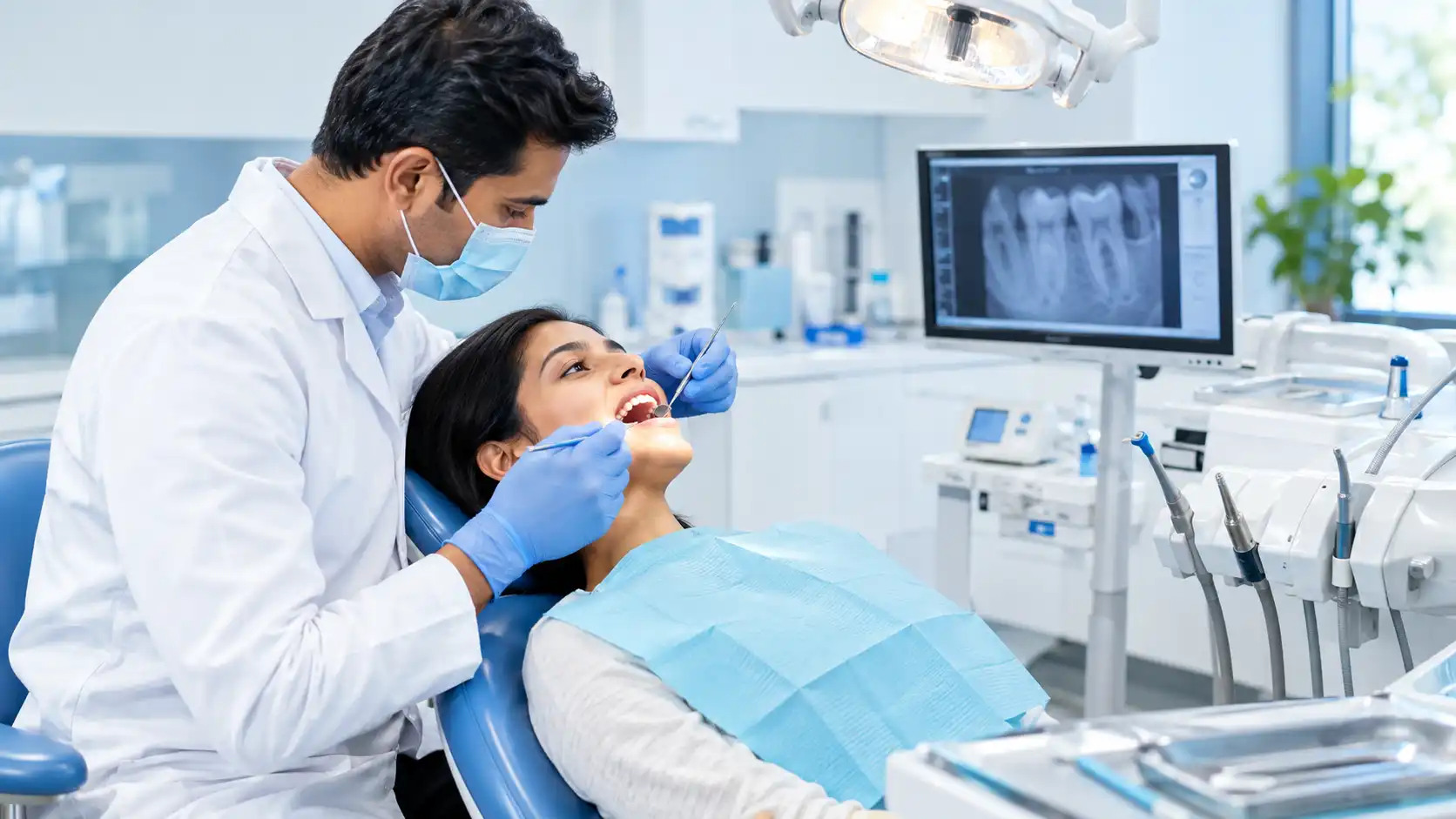
Prior to a dental surgery procedure, the dental professional will typically check the patient's dental health, look at the area of issue, and may prescribe dental X-rays or various other imaging when necessary. A treatment plan is after that developed according to the findings. Anaesthesia might be utilized to prevent pain throughout the procedure.
At some time, the person might obtain directions regarding specifically just how to care for the injury, diet regimen, as well as medication if any type of is required. Then the person will certainly get guidelines on exactly how to look after the injury, diet and if any medicine is needed. Dental surgery recovery healing is determined by the experienced Cure Bliss Dental Care in dental procedure.
Historic Fact: “The earliest known evidence of dental surgery dates back thousands of years, with ancient remains showing attempts to treat tooth-related problems using primitive surgical techniques.”
A dental diagnosis by your dentist can save you unnecessary surgery and help you find the most appropriate path. Your denture is loose! Sometimes a dental condition cannot be treated using usual, non-surgical methods so you may be referred for oral surgery consultation.
This may occur if you have defective or infected teeth, impacted wisdom teeth, missing teeth, disease of the gums, inadequate jaw bone support with mouth infection and related difficulties. A proper dental treatment planning provided by the Cure Bliss Dental Care which ensures cure all the problems which lead to better oral health.
Examples of dental surgical services include practices involving difficult-to-treat cases of dental injury and destruction, wisdom teeth, missing teeth, and bone loss that can hold the teeth. In the proper application, surgical intervention can be beneficial in any dental care situation that a professional has been trained to diagnose.
|
Cure Bliss Dental Care provides the basis of good oral health is cleanliness and routine dental examinations. |
No. Tooth extraction depends on the extent of damage and whether the tooth can be successfully preserved through restorative or other appropriate dental treatment.
Wisdom tooth removal may be recommended for impaction, recurring infection, pain, swelling, or problems affecting nearby teeth and tissues.
Yes. Dental implants generally involve surgically positioning an implant into the jawbone to provide support for a replacement tooth.
Bone grafting may be recommended when insufficient jawbone volume or density makes the area unsuitable for supporting dental implants.
Dental surgery recovery varies depending on the procedure, its complexity, individual healing, and how closely post-operative instructions are followed.
Cure Bliss Dental Care offers dental care options to address different oral health needs. Patients can consult the dental team to understand suitable treatments based on their condition.
Your health journey starts with one simple step — we’re here to guide you.
Get Started