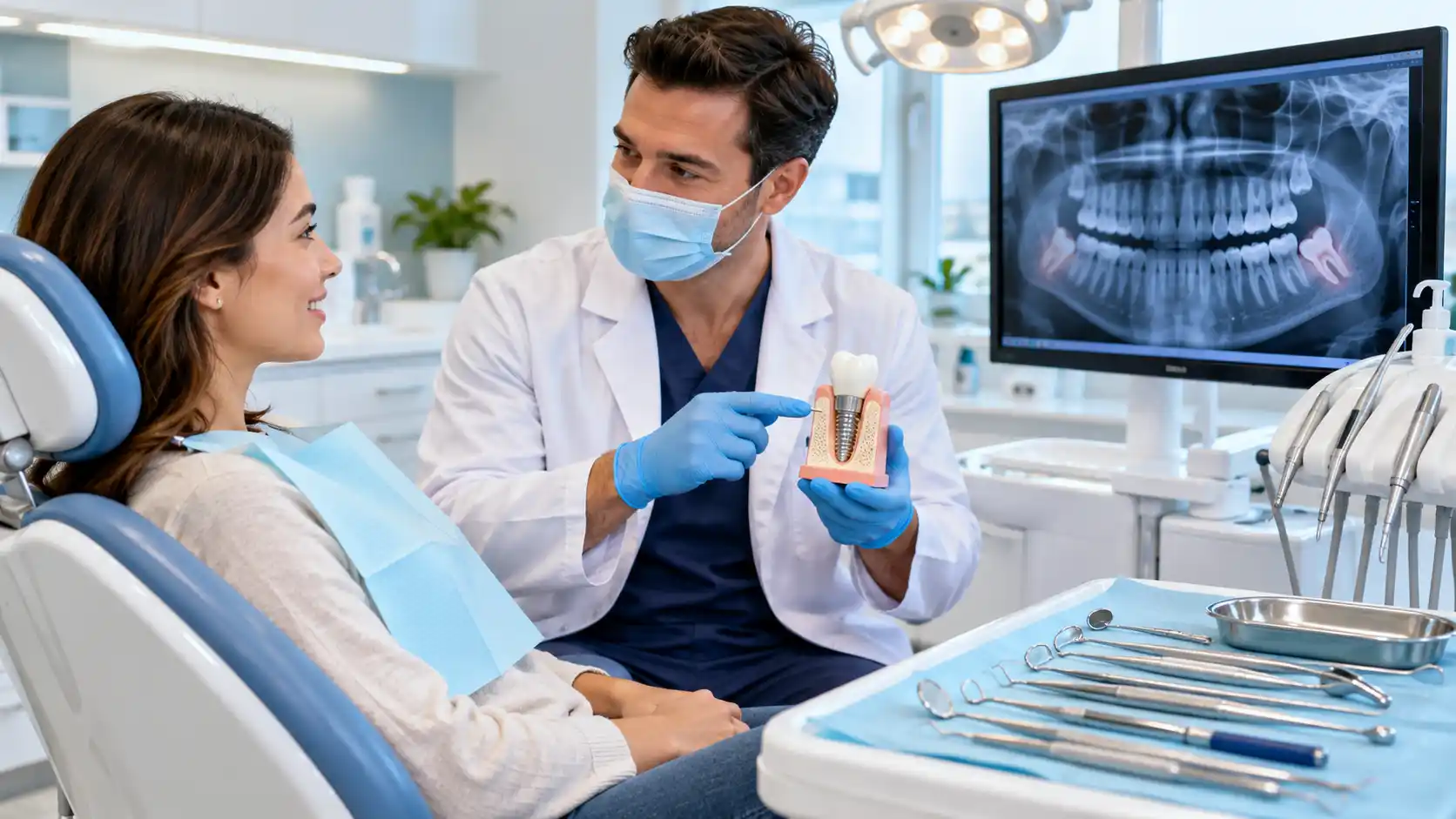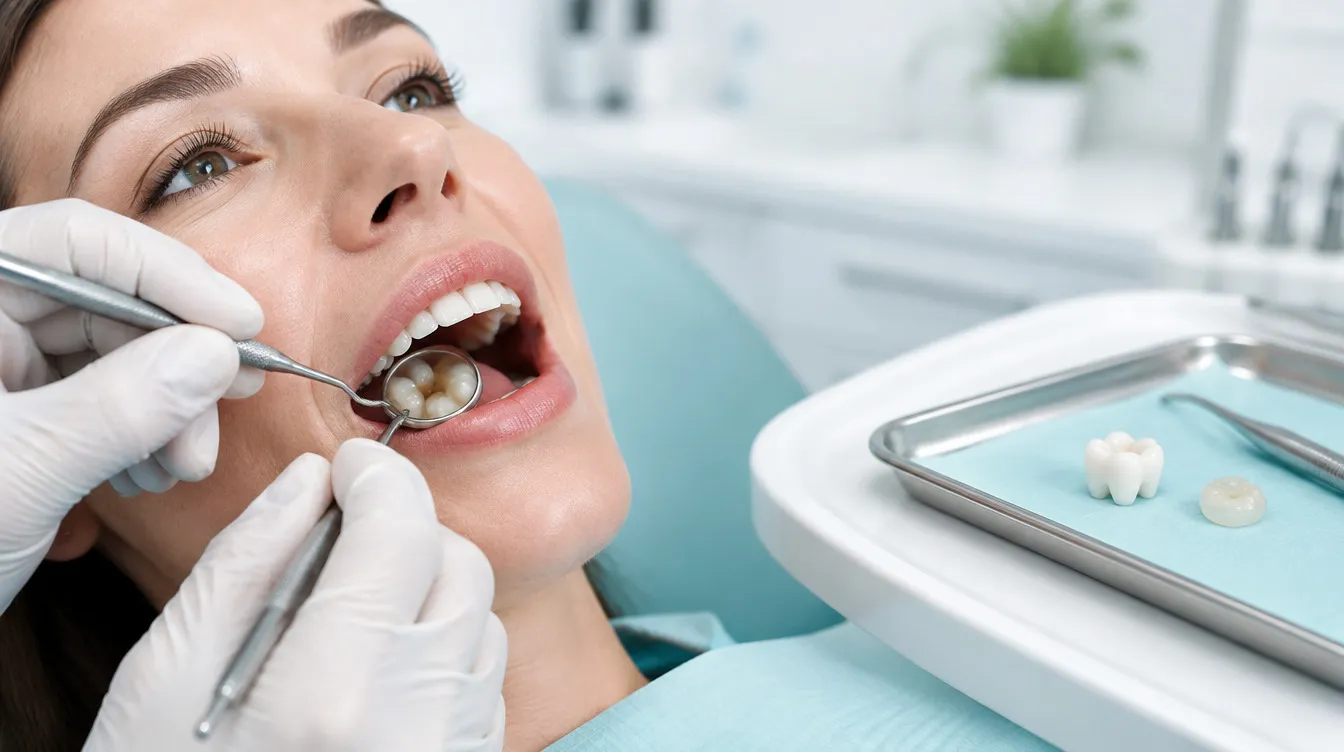
There may be some bleeding at the site of the tooth extraction. Patients can experience pain and swelling. Tooth extraction recovery can vary from patient to patient, depending on how complicated the extraction was, the patient's overall health and subsequent healing. Mild pain and swelling is normal but if you notice an increase in the discomfort or swelling, get checked by the dentist.
The tooth extraction healing process begins when a blood clot forms in the vacant socket – shielding the delicate tissue beneath and aiding healing. As gum tissue slowly closes the opening, the bone beneath is also healing. The tooth extraction aftercare process can help protect the clot and minimize irritation – but it is very important to follow your dentist's instructions.
The tooth extraction recovery timeline takes time for each patient. Here's a guide to most symptoms and healing stages after your tooth has been taken out.
The first 24 hours after extraction will usually show a small amount of oozing of bloodstained saliva. You may have some pain or discomfort when the effects of the local anaesthetic begin to wear off. Bite on the gum shield your dentist has given you and follow instructions.
Swelling after tooth extraction may be worse in the first 48-72 hours (typically following removal of gum tissue or wisdom teeth). Jaw stiffness, tenderness and bruising may also be experienced. All of these symptoms should generally gradually improve after the first day of appearance. Consult your dentist regarding pain medication and cold packs, and come back in if you get pain and/or swelling, especially if associated with fever.
Pain and swelling usually diminish from days four to seven. On days 4-7, most people will find that they can settle into an easier rhythm and return to normal, again depending on how well the area is healing. Avoid biting into hard foods and keep your gentle brushing-this will aid your recovery. Tooth extraction healing time is dependent on the procedure and the patient.
At this tooth extraction healing stages often continue to progress and the patient may even feel normal doing normal daily tasks. The gum tissue will then slowly begin to heal over the site of the extraction and the socket may not be completely closed. However, the patient can generally begin to gradually get back on a normal diet as recommended by the dentist.
Being aware of the signs of normal symptoms after tooth extraction helps the patient determine whether or not they should see a professional. How bad, how long, and in which direction are more important than individual signs.
Everyone experiences mild soreness and tenderness after extraction. But this should go away over a couple of days. Pain after tooth extraction that increases in severity, gets worse after an initial period of recovery or radiates to your ear may suggest some complications. Dry socket symptoms is a condition where the blood clot at the site of extraction has disintegrated or been dislodged.
You might notice a pink tinge to your saliva or light bleeding for the first few hours. Leave the gums to settle by applying comfortable pressure with gauze. Excessive bleeding which does not settle – should be treated as a medical emergency; if this is the case or you feel unwell or very weak, contact your dentist or seek urgent medical assistance.
Some swelling and bruising are to be expected especially following surgical removal and can be maximum around the second or third day. These include persistent pain, swelling, high temperature, pus and worsening pain. If you experience any of these symptoms, contact your dentist immediately. In some cases, swelling can occur rapidly and make it difficult to breathe or swallow – if this happens, go to hospital immediately.
It might look like a little hole in the treated site; a healing socket. Dry socket after tooth extraction can arise if the blood clot at the site of a tooth extraction gets dislodged or fails to form within the first few days. This exposes the bone and nerves and causes symptoms such as severe pain that may get worse days after the procedure, a bad smell/taste.
Providing proper tooth extraction aftercare following the procedure will assist the healing process and aid in minimal irritation of the socket. Tooth extraction recovery tips to help you can enjoy the first few days:
If you have tooth extraction after surgery. Individual instructions will be different after removal. Visit Cure Bliss Dental Care to get dentist advice and avoid any oral issues.
Learn when to call dentist after extraction and get treatment in time to avoid further problems. Following are the signs you should contact your dentist.
These symptoms may be present in most cases of tooth extraction complications as well but must be evaluated before any conclusion. Seek emergency medical attention if you experience difficulty breathing or swallowing; have swelling of the mouth or neck that rapidly worsens; or have bleeding that won't stop and feel faint or weak.
Here are some of the tooth extraction healing mistakes:
Follow these guidance on how to get over a tooth extraction pain free!
Cure Bliss Dental Care can be approached for all dental consultation and treatment for tooth extraction in Indirapuram. The course of action may be simple or surgical based on the tooth's condition, location and ease of extraction. You may also ask about post-treatment care and support, information on simple extraction or surgical extraction.
| You can also get in touch with Cure Bliss Dental Care if you experience any unexpected signs or symptoms regarding tooth extraction recovery. |
Tooth extraction recovery can be just mild soreness, bleeding and swelling that subside with use of medication. Having an understanding of the usual stages of healing can help you spot potential signs of infection. If you have bleeding that gets worse as time goes on or is persistent, severe pain and a temperature or pus or swelling that gets worse rather than improves, don't ignore this and call your dentist for guidance.
For any concerns regarding tooth extraction treatment / recovery please get in touch with Cure Bliss Dental Care, Indirapuram.
Pain gradually gets better in the first three to seven days (though it can take longer for surgical extractions). Escalating pain should be checked by your dentist.
Swelling can be at its worst on day three. If the swelling, fever, pus or difficulty swallowing are getting worse, then you should see a doctor urgently.
Reintroduce regular foods as tolerated, as great as a day or two. Follow your dentist' consult when you have surgical removals.
Take drinks that are either warm or cold. Do not take very hot drinks or use straws for the first few days after your tooth has been removed. This is to prevent the blood clot from being dislodged.
Head elevation. Use an extra pillow during your first night to raise your head slightly to help with swelling and discomfort.
The tooth extraction treatment by Cure Bliss Dental Care specialists will be followed by after treatment care.
Your health journey starts with one simple step — we’re here to guide you.
Get Started