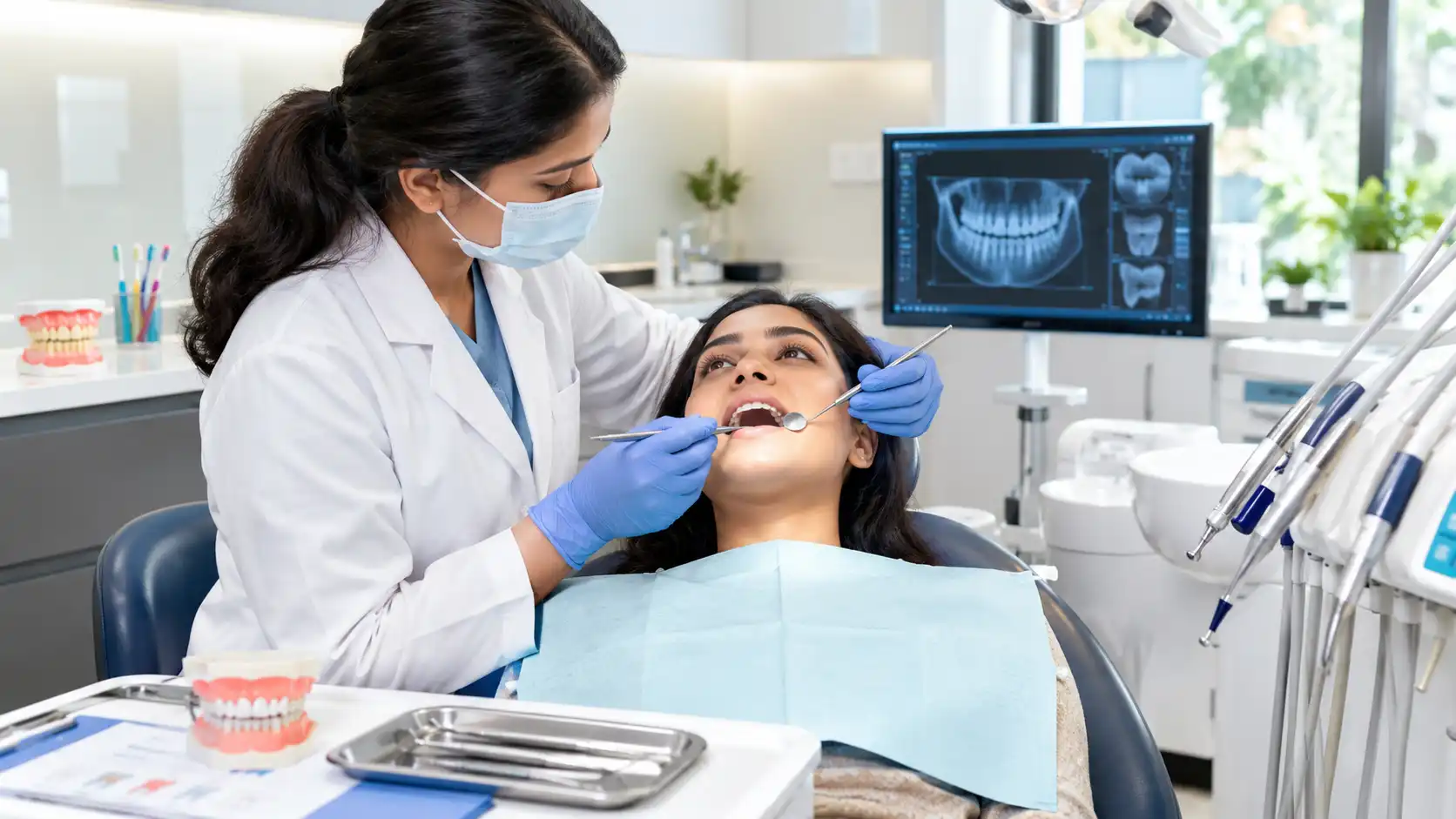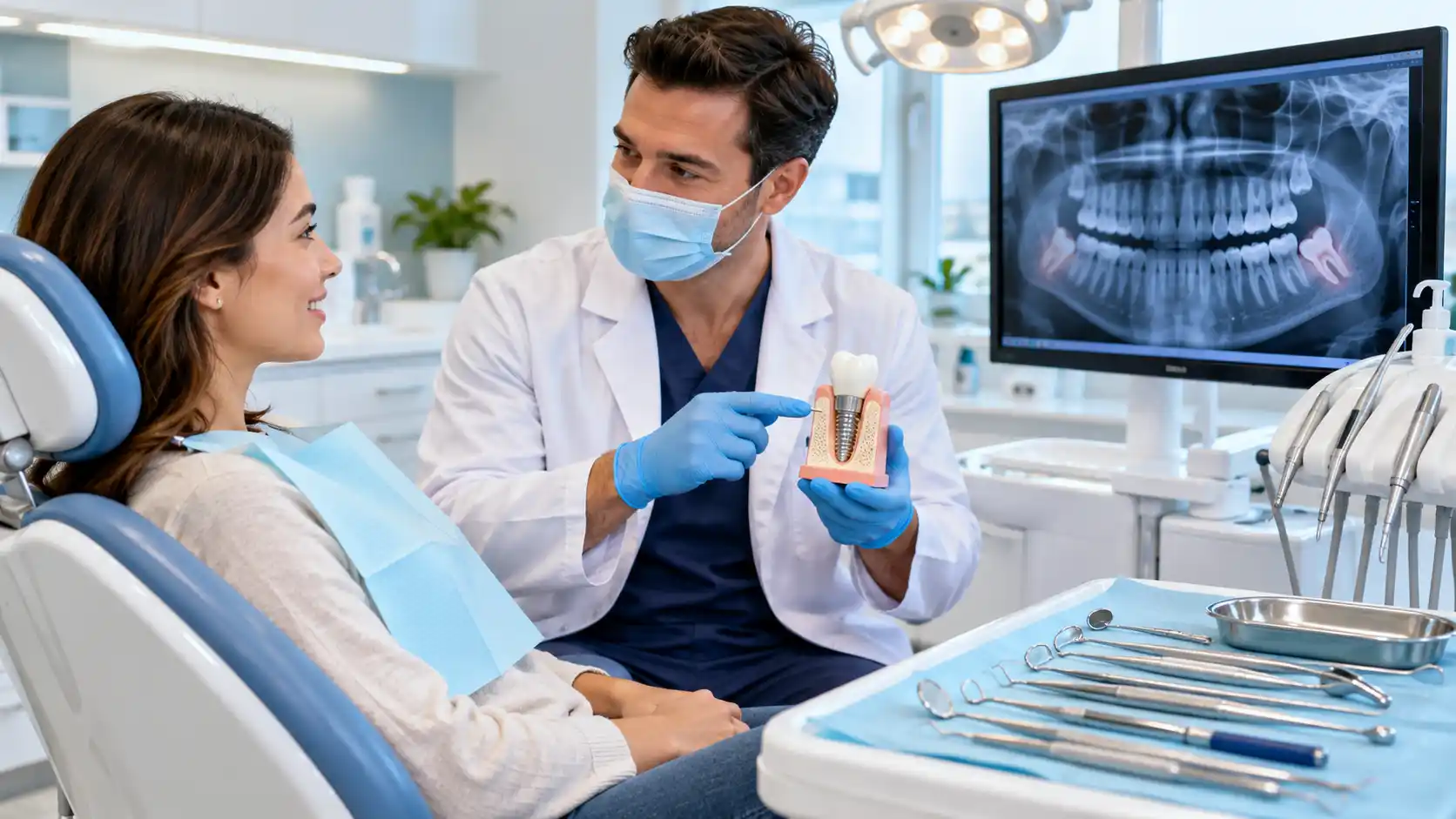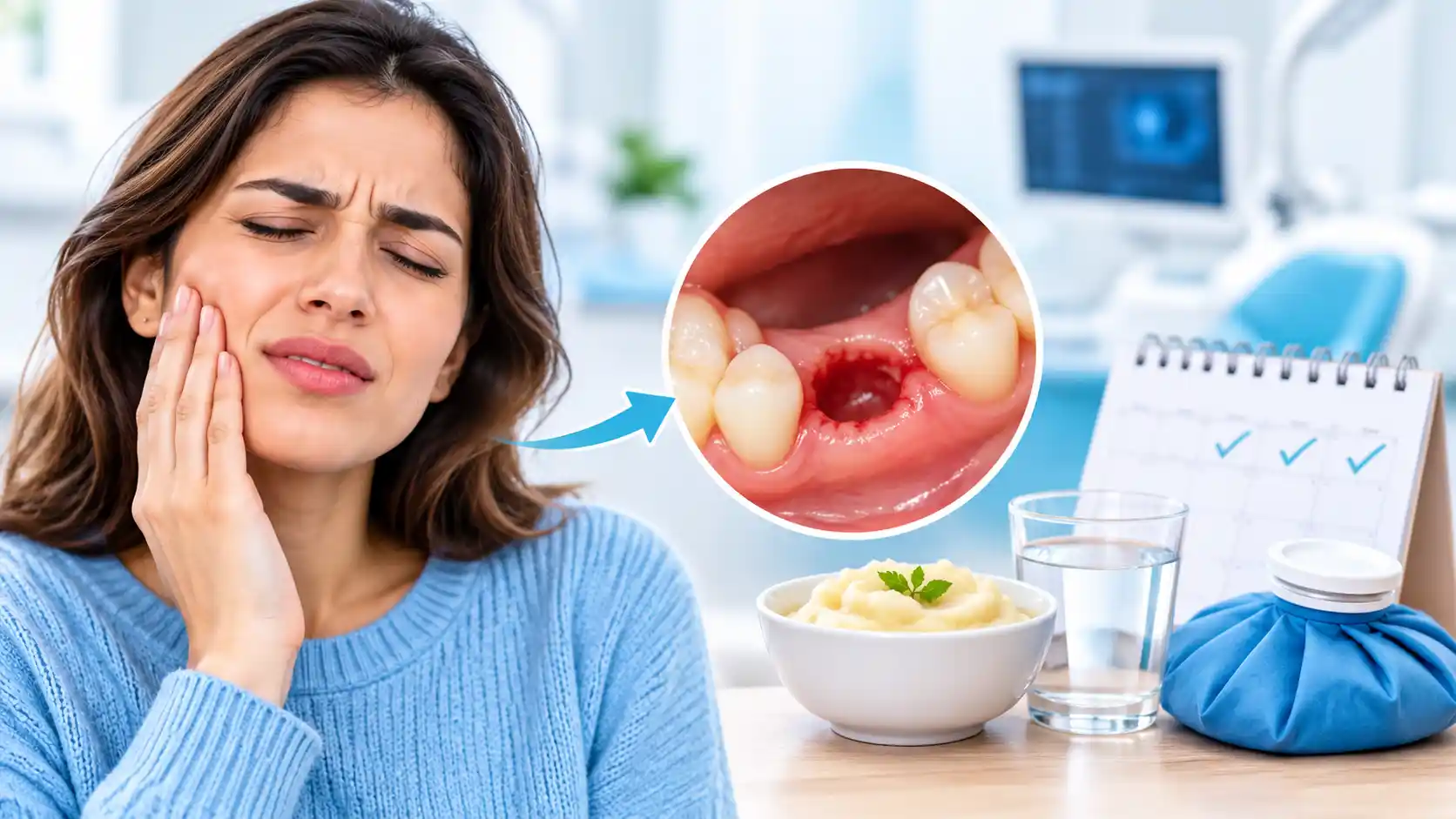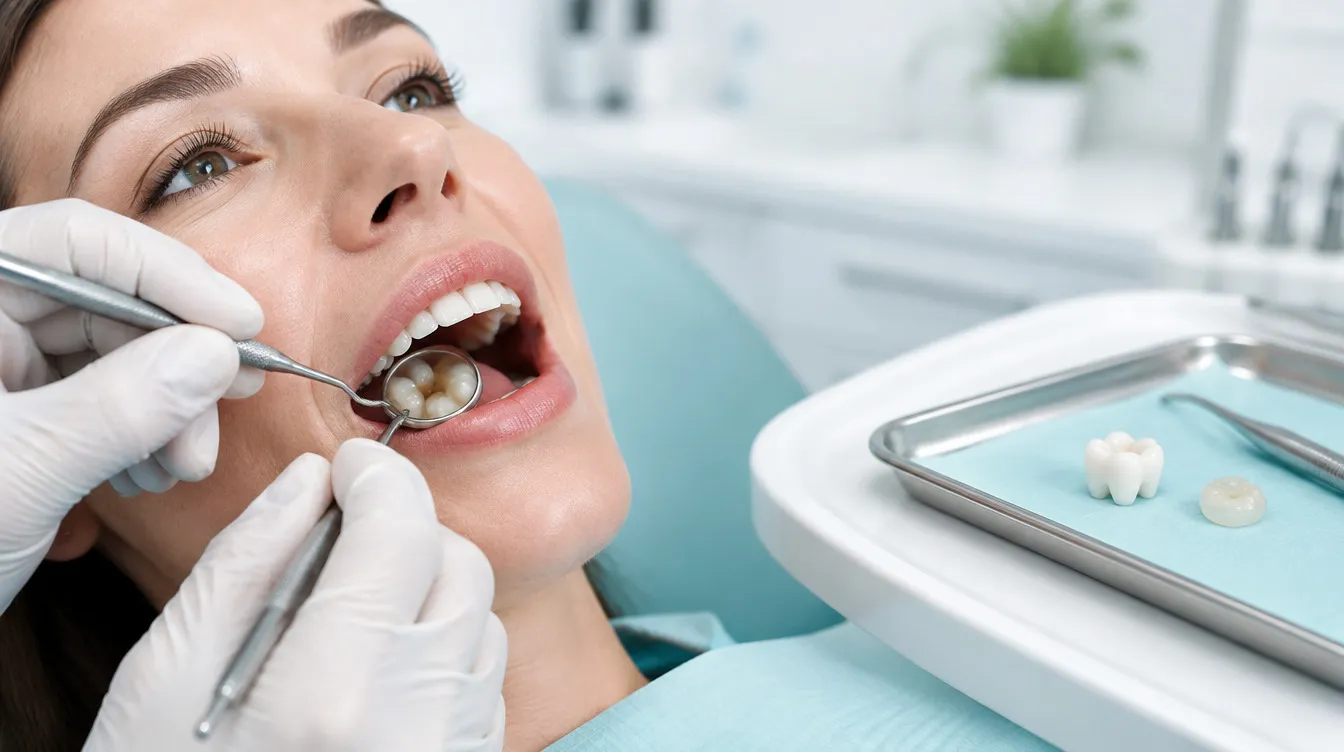
It is possible for your teeth to be damaged by caries, trauma, cracks, decay or infection. A damaged tooth does not always need to be pulled – in some situations, any damaged tooth repair can be possible with a crown, filling or root canal that restores the tooth to its normal function. If the damage is caught early enough, the repair can be limited to a small area and the chance of the composite or crown restorative services being successful is high.
Yes, in most circumstances. The length of treatment will be determined by how much damage has been done to the tooth and if the pulp or roots are also affected. At the same time the dentist will look during the exam the depth of the decay, the location of the fissures, the condition of the pulp of the tooth and the support of the gums and bone.
The earlier the sooner you diagnose the problem and begin to get the treatment, the more options you will have. If the tooth is extensively broken down or weak, or if the pulp is severely infected or inflamed, you may require a root canal or crown. These types of restorative services can help save natural tooth.
A few of the signs you might have a broken tooth, or you need to plan an appointment to go to the dental practitioner are.
Your dentists will be able to find out the cause and make suitable prescriptions in the form of a dental tooth decay treatment.
There are many different options for restorative services for a damaged or compromised tooth. The choice of dental restoration of your tooth will be determined by the extent of the damage, the remaining tooth strength and the state of the pulp tissue inside the tooth. Fillings are the most common for small cavities, crowns are used to protect weak or broken teeth, while root canal treatments can treat certain infected teeth.
You can have a tooth repair a tooth filling cavity. A cavity filling is a way to restore the tooth in the event of a cavity. If it's limited damage and teeth structure is retained, filling the tooth can be smart. After the decay is removed, your dentist will clear the area before filling the empty tooth structure using a filling. It prevents from coming into contact with the decay and returns the teeth to their original form and chewing power.
White composite resin is a preferred choice as it can match the natural look of teeth. Glass ionomer cement could be appropriate in certain cases, others could be used depending upon the condition and the site of the tooth. You may need a tooth filling in Indirapuram and for that Cure Bliss Dental Care is the right choice if your cavity is small, you have a little sensitivity, or your tooth has a little damage.
A crown cap is a restorative tooth cap that is placed over the visible portion of a tooth. Your dentist may provide a dental crown cap if the tooth is severely damaged due to breakdown or decay, a large filling, a large tooth fracture or a weakened structure that won't support a normal filling. The dentist will form the tooth so the crown can be seated securely. Depending on the procedure you will be able to find: the ceramics and porcelain, metallic or any other kind of material.
A crown is able to protect the structure of your natural tooth and handle biting pressures. It can even fix a badly broken or discoloured tooth and make it look better. Although a crown may be needed for your tooth, there are many considerations for including: size of the filling or break, current position of the tooth, bite pressures and how much natural tooth structure remains.
Root canal treatment RCT has an extremely high demand when pulp is inflamed or infected as a result of deep decay, repeated dental procedures or a crack or chip in the tooth. They will then remove the infected pulp, clean and shape the roots of the canals, then fill and seal them with a filling material.
This is to eliminate the infection that is present without removing the tooth. A root canal is not always the answer. The import of this treatment depends on the extent of the harm, root status, and other areas. Early evaluation can save natural tooth with this solution and treatment.
A crown, for instance, is a diagnostic, preventative, or restorative treatment like all the other dental fillings. However, there is a definitive aim for each: you should be able to tell which diagnostic or restorative service you need based on this reason.
| Treatment | When It May Be Recommended | Main Purpose |
|---|---|---|
| Tooth filling cavity | Minor to moderate cavities with sufficient healthy structure | Repairs decay and restores the tooth surface |
| Dental crown cap | A weakened, extensively restored, or significantly broken tooth | Covers and protects the remaining tooth |
| Root canal treatment RCT | Irreversibly inflamed or infected dental pulp | Removes affected pulp and preserves the natural tooth when possible |
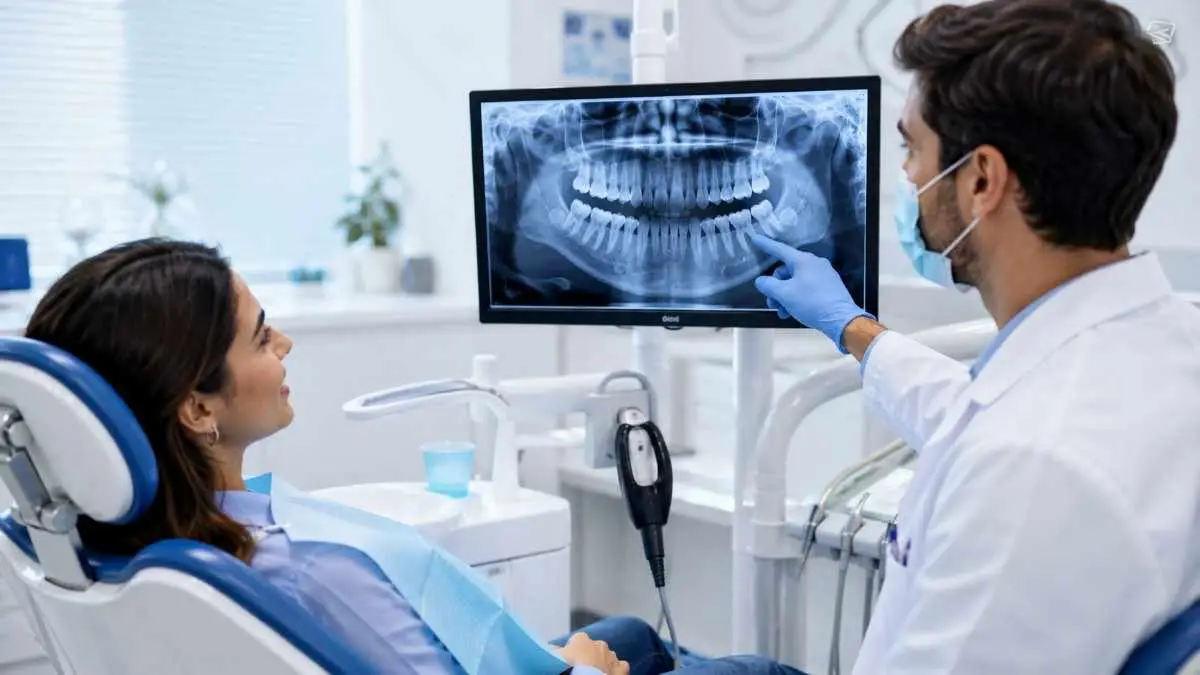
The dentist's examination and any necessary X-rays provide information on what treatment should be undertaken.
While most compromised damaged tooth repair is successful, there are times when a tooth cannot be predicted to be restored. A horizontal fracture dividing the root, large destruction leaving minimal intact tooth structure, and advanced periodontal disease with significant support bone loss can lead to a tooth being considered unrestorable. You don't need to do tooth extraction just because your tooth is painful or decayed. Come to your dentist if you have pain or infection.
Restorative services include tooth fillings, crowns, root canals and tooth bonding, filling tooth cavities, filing chipped teeth, repairing broken teeth and restoring decayed teeth are some of the restorative procedures offered by Cure Bliss Dental Care. Each of these procedures has its specific use, depending on the type and extent of damage to the teeth.
Whether you have sensitivity, a cavity, or a tooth that has broken, a visit to your dentist to have a look at the teeth can determine the problem, and if the teeth can be saved. If you need information about the cavity treatment offered, refer to the tooth filling in Indirapuram. The dentist will examine the tooth and provide possible treatment options without promising that all bad teeth are preservable.
Saving your natural teeth can be possible if there's damage. If your teeth are not in too much damage, restorative services such as fillings or crowns can treat and restore your teeth. Prompt treatment can save your natural tooth in most situations. When cavities and cracks are left untreated, they may cause other more complex issues to arise that put your tooth and health in further jeopardy.
Visit Cure Bliss Dental Care immediately for a dental exam for the potential solutions to bring your teeth back from harm.
Lack of healthy structure will allow bacteria to get down in between the filling and the tooth. If there is no healthy structure then bacteria and infection can work their way underneath the filling.
No. The entire back dental crown cap if the structure could be preserved but ultimately it would depend on the amount of remaining structure, and the area of the mouth that the tooth is in (ease of fracture).
Yes, damaged tooth repair can be possible using bonding, a filling, or a crown. Breaks that go deep enough into the root of the tooth may need to be extracted.
Filling can usually be used for small cavities, and a crown might be necessary if there's a much weaker tooth or one that's been broken. Your dentist will be able to advise on the treatment after an examination.
Cure Bliss Dental Care services at Indigrapuram done for dental defects and saving a tooth which would otherwise have to be lost, including procedures such as fillings, crowns and root canal treatment. Ask the dentist about which treatment is more appropriate for you
Your health journey starts with one simple step — we’re here to guide you.
Get Started